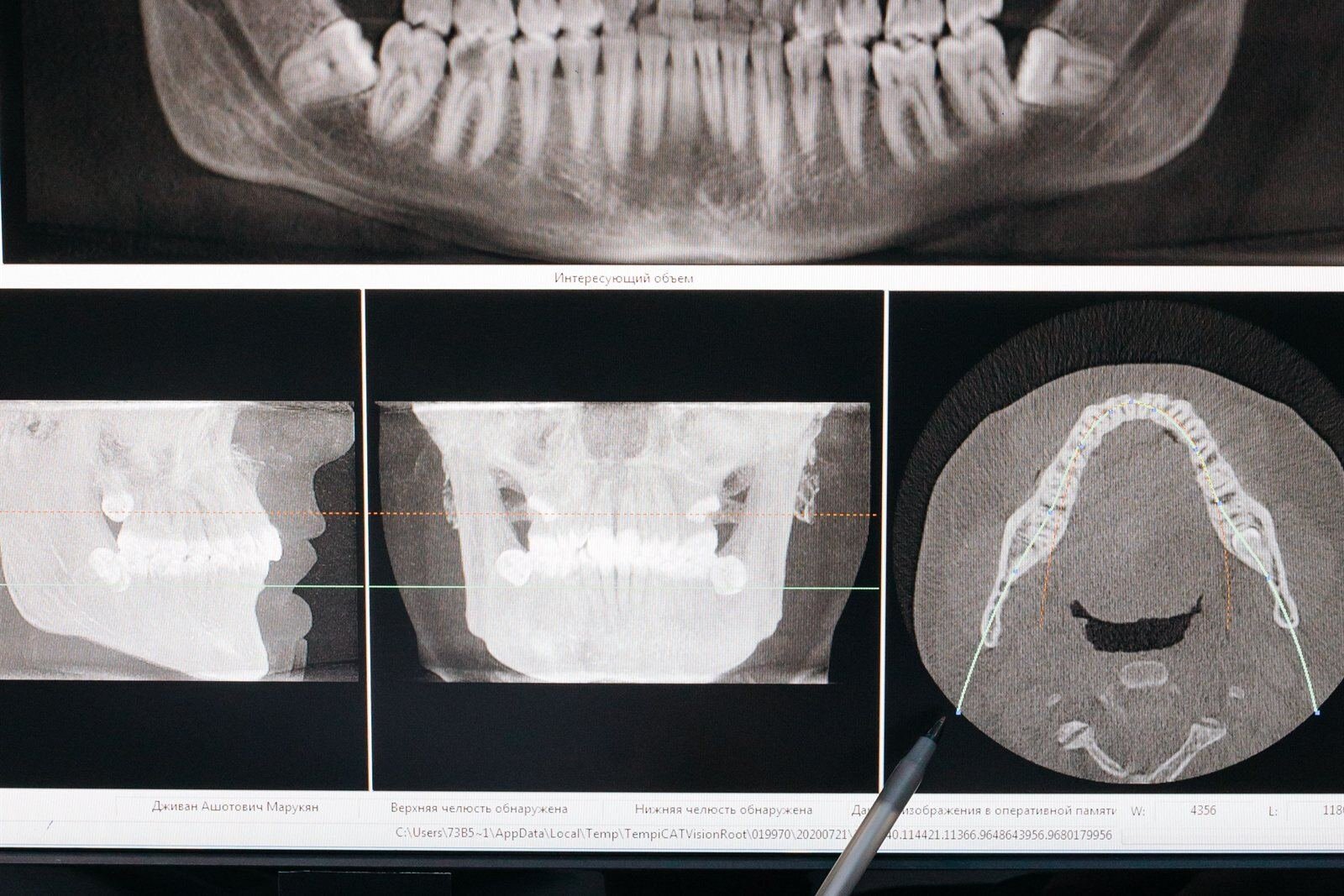
Advanced gum disease can destroy the bone and connective tissue that hold your teeth in place, damage that a cleaning alone cannot reverse. Periodontal regeneration uses bone grafts, barrier membranes, and biologic growth factors to rebuild that lost support and give compromised teeth a real chance to stay in your mouth for years to come.
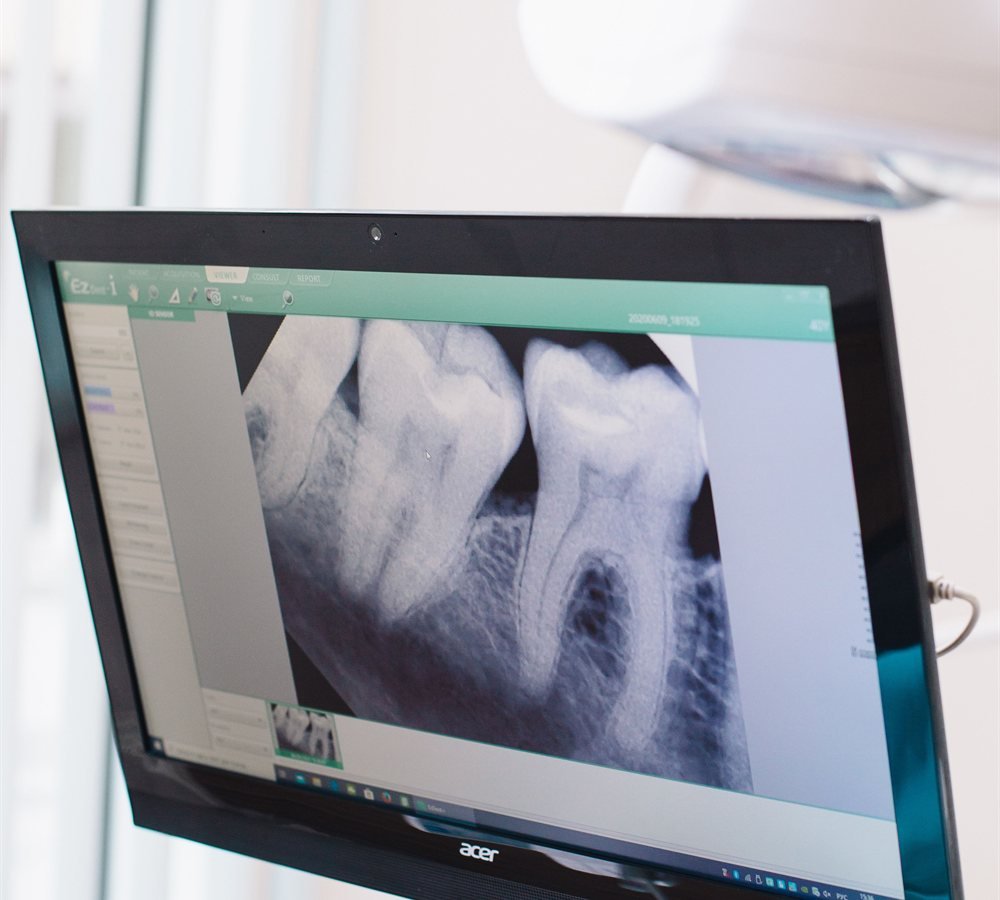
Periodontal disease does not just inflame the gums, over time it destroys the bone and ligament fibers that anchor teeth in the jaw. Once that foundation is lost, teeth can loosen, drift, and eventually fail, even after the infection itself has been brought under control. Periodontal regeneration is a category of surgical techniques designed to reverse some of that damage by encouraging the body to grow new bone, cementum, and connective tissue in areas where it has been lost.
Depending on the pattern and depth of bone loss, treatment may combine bone grafting material, a barrier membrane that keeps faster-growing gum tissue from crowding out new bone, and biologic growth factors that stimulate the body's own regenerative response. This is different from a routine gum graft, which primarily addresses gum recession, and it is typically recommended after active periodontal disease has been treated through periodontal therapy such as scaling and root planing.
Our doctors also perform related procedures such as gum grafting when the primary concern is soft tissue rather than bone. During your consultation, we will determine which regenerative approach, or combination of approaches, gives your teeth the best long-term outlook.
Periodontal regeneration is planned around the specific pattern of bone loss found in your mouth, and most cases are completed in one focused surgical visit.
We take digital x-rays and measure the depth of bone loss around affected teeth to map out exactly where regeneration is needed and which technique will work best.
Under local anesthesia, the gum tissue is gently reflected to access the bone defect, and any remaining infected tissue is thoroughly cleaned from the area.
Bone grafting material is placed into the defect, and a barrier membrane is positioned over it to protect the site and guide new bone growth as it heals.
The gum tissue is sutured back into place, and over the following months, new bone and connective tissue gradually regenerate around the treated tooth.
Dr. Rana Shahi, Dr. Priscilla Young, and Dr. Ivana Yi are all board-certified periodontal specialists with advanced surgical training in bone and tissue regeneration.
No two bone defects are identical. We select the graft material, membrane, and biologic technique that best matches the shape and severity of your specific case.
Regeneration is often the difference between keeping a compromised tooth and losing it to extraction. Our goal is always to preserve natural teeth whenever it is a sound long-term option.
Regenerated tissue needs ongoing periodontal maintenance to stay healthy. We build a recall schedule with you to protect your investment for years to come.
Our periodontists routinely treat patients with moderate to advanced bone loss from periodontal disease, including complex cases referred by general dentists throughout Los Angeles.
Periodontal regeneration is typically recommended once active infection is controlled and measurable bone loss remains. You may be a candidate if:
Mild swelling and tenderness are normal in the days following surgery. We provide detailed post-operative instructions, a soft-food diet plan, and medication guidance to keep you comfortable while the site begins to settle.
New bone and connective tissue continue forming for several months after surgery. We schedule follow-up visits to monitor healing progress and confirm the graft is integrating as expected before returning you to your regular maintenance schedule.
If you have been diagnosed with bone loss from gum disease, our specialists can help you understand your regenerative options. We welcome patients from throughout Los Angeles and accept most major insurance plans.
In many cases, yes. Using bone grafting material, barrier membranes, and biologic growth factors, we can encourage the body to regenerate a meaningful amount of the bone and connective tissue lost to periodontal disease, particularly in defects with a favorable shape.
A gum graft primarily addresses soft tissue recession, adding gum coverage where it has thinned or pulled away from a tooth. Periodontal regeneration focuses on rebuilding lost bone and the deeper attachment structures that support a tooth, and it is often recommended after gum disease has caused measurable bone loss.
The procedure is performed under local anesthesia so you should not feel pain during treatment. Afterward, most patients experience mild to moderate soreness for several days, which is well managed with the medication and instructions we provide.
New bone formation is a gradual process that continues for several months after surgery. We typically re-evaluate healing with follow-up imaging around six months to a year after treatment to confirm the results.
Depending on your case, we may use your own bone, donor or synthetic bone grafting material, a barrier membrane, and in some cases biologic growth factors. We review your specific options and their tradeoffs during your consultation.
Regeneration can improve the bone support around a tooth that has become loose from periodontal disease, which may stabilize it over time. Whether a specific tooth can be saved depends on the extent of bone loss, and we will give you an honest prognosis before recommending treatment.
Yes. Active infection and inflammation must be controlled with periodontal therapy, such as scaling and root planing, before regenerative surgery is performed. Operating in an actively infected site significantly reduces the odds of a successful outcome.
Many dental insurance plans provide at least partial coverage for regenerative periodontal procedures when they are medically necessary. Our team will help verify your benefits and walk you through the estimated cost before treatment begins.
We'll confirm your visit within one business day.
